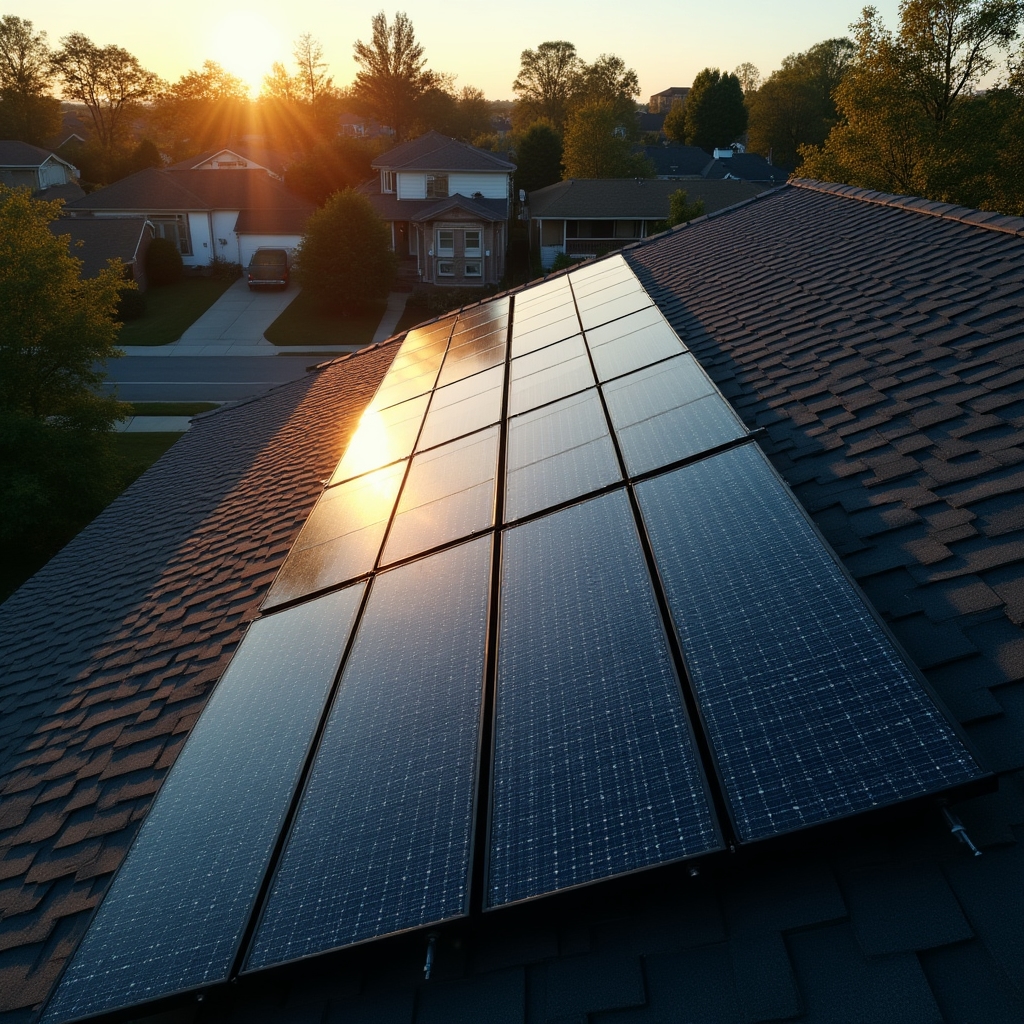
Understand before you decide.
Solar energy explained clearly. No sales pitch. No pressure. Just knowledge that helps you ask the right questions.
Making sense of solar energy shouldn't require an engineering degree.
Most homeowners encounter solar energy for the first time through a salesperson's door. That's not the right starting point. We built Gopesi so you can walk into any conversation already equipped with the fundamentals.
What exactly is a photovoltaic cell? Why does panel orientation matter? What's an inverter actually doing? We answer these questions plainly, with context, before you ever pick up the phone.
Learn about our approach
How a photovoltaic system actually works
Three stages. One clear picture. No jargon left unexplained.
Light becomes electricity
Solar panels contain photovoltaic cells made from silicon. When photons from sunlight strike the cell, they knock electrons loose, creating a flow of direct current (DC) electricity. The size of your panel array determines how much current can be generated at peak conditions. It sounds complex, but the physics has been understood for over a century.
DC becomes usable power
Your home runs on alternating current (AC), not direct current. An inverter sits between your panels and your electrical panel, converting the DC output into AC your appliances can use. Inverter quality and type significantly affect how your system performs under partial shading or varied roof conditions. This is one of the most important components to understand before comparing quotes.
Power flows through your home
Once converted, electricity flows into your home's distribution panel and powers whatever is drawing current at that moment. Surplus energy can flow back to the grid (under net metering agreements with your utility), or be stored in a battery system for later use. Understanding this flow helps you evaluate whether storage makes sense for your household's consumption patterns.
What actually affects how much energy your panels produce
Roof orientation and tilt
South-facing roofs at moderate tilt angles typically capture the most annual sunlight in Poland. East-west orientations can still be viable and sometimes better match household consumption patterns throughout the day.
Local climate and shading
Nearby trees, chimneys, and neighboring buildings cast shadows that reduce output. Even partial shading on one panel can affect the whole string depending on inverter architecture. A proper site assessment maps this before installation.
Panel temperature
Counterintuitively, solar panels produce more power in cold, clear weather than in hot summer sun. Every panel has a temperature coefficient that tells you how much output drops per degree above 25°C. This figure matters when comparing panel specifications.
System sizing relative to consumption
A system sized far above your actual usage may generate surplus you cannot effectively use or store. Accurate consumption analysis before sizing prevents both under-investment and over-installation relative to your real needs.
Installation quality
Wiring connections, mounting angle precision, and inverter placement all influence long-term performance. Poorly installed systems can underperform for years without obvious visible signs. Asking the right questions about a contractor's process matters.

Questions worth asking every installer you meet
An informed homeowner gets better proposals. These are the questions that separate thorough assessments from rushed sales visits.
What inverter architecture are you proposing and why does it fit my roof?
String inverters, power optimizers, and microinverters each have different behaviors under shading. A contractor who can explain their choice for your specific roof is doing proper analysis, not running a standard template.
What panel efficiency and temperature coefficient are you using in your proposal?
These two figures directly affect real-world output. If a quote doesn't reference them, the yield estimate may be based on generic assumptions rather than the specific equipment being sold.
How did you calculate the expected annual yield?
Reputable installers use simulation software that incorporates local irradiation data, your specific roof geometry, and shading analysis. Ask to see the simulation output, not just the headline number.
What warranty applies to the panels, the inverter, and the installation work separately?
Product warranties cover manufacturing defects. Performance warranties cover output degradation. Workmanship warranties cover the installation itself. All three are distinct and all three matter over a system's lifespan.
Topics across the platform
PV Technology Fundamentals
From cell types to module construction. Monocrystalline versus polycrystalline versus thin-film explained without oversimplification.
Read moreInverter Types Explained
The component most homeowners know least about is often the one with the most significant impact on system behavior and cost.
Read moreEnergy Storage Basics
When does adding a battery make sense? What chemistry options exist? How do you think about sizing storage relative to your load profile?
Explore toolsReading a Solar Proposal
What to look for, what to question, and what red flags suggest a proposal was assembled without proper site analysis.
Learn more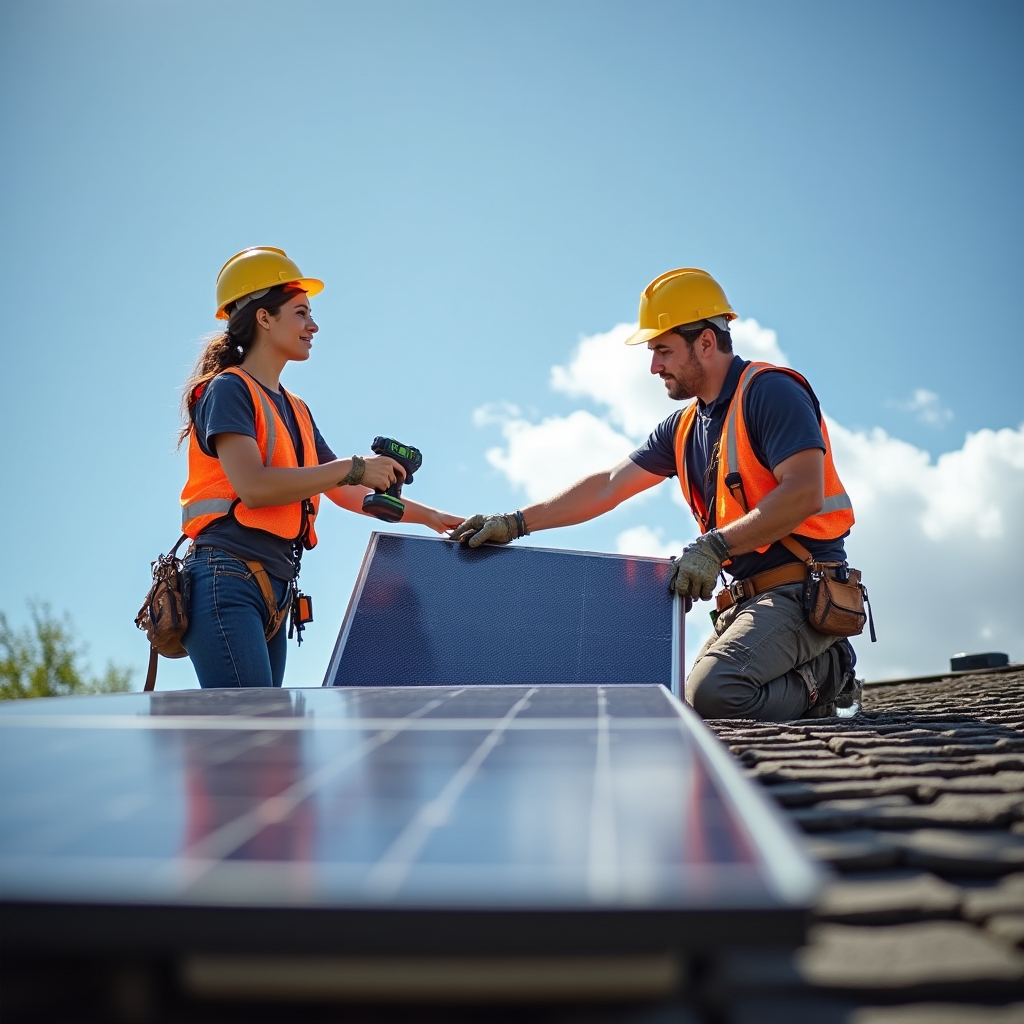
The best solar decision starts with understanding.
Not with a quote. Not with a deadline. With knowledge you own.
Ready to start learning?
Explore our methodology, use our preparation tools, or get in touch with questions. We're here to help you build a solid foundation before any installer visit.